The gas vs charcoal grill choice depends on whether you want quick outdoor cooking, stronger smoky flavor, easier cleanup, or a more traditional BBQ process. Both options can work well, but they suit different buyers and different backyard routines.
A gas grill is usually better for fast weeknight meals, while a charcoal grill is better for buyers who enjoy slower cooking and classic grilling flavor. The right choice should fit your space, patience, safety needs, and cleaning habits.
Gas vs Charcoal Grill: Main Differences to Know
When comparing gas vs charcoal grill options, think about startup time, flavor, heat control, cleanup, fuel storage, and where you plan to cook. Do not buy only by appearance or price.
A beginner-friendly grill should be easy to use safely, easy to clean, and suitable for your common meals. If the product page does not confirm fuel type, cooking area, included parts, or warranty details, verify before buying.
Gas BBQ Grill Benefits
A gas BBQ grill is often easier to start and control. It is useful for families who want quick outdoor meals without waiting for charcoal to heat.
Gas grills may use propane tanks or natural gas connections, depending on the model. Always verify fuel compatibility before buying because propane and natural gas setups are not automatically interchangeable.
Charcoal BBQ Grill Benefits
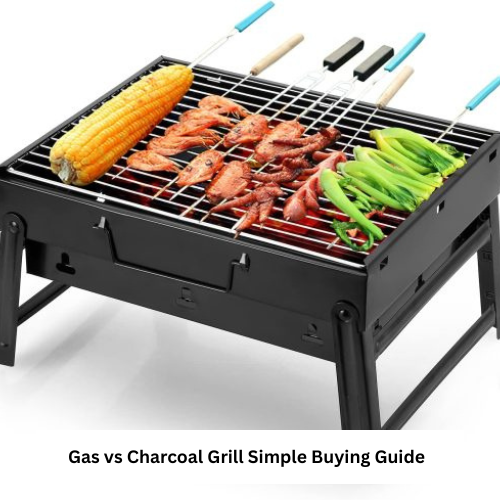
A charcoal BBQ grill gives a classic BBQ cooking style and stronger smoky flavor. It can be a good choice for weekend cooking, burgers, steaks, vegetables, and slow grilling.
Charcoal grills need more time for lighting, airflow control, and ash cleanup. Buyers should check the charcoal tray, vents, lid fit, grate material, and ash removal design before buying.
| Feature | Gas Grill | Charcoal Grill | Buyer Tip |
| Startup | Usually faster | Usually slower | Choose gas for quick meals |
| Flavor | Clean grilled taste | Smokier BBQ flavor | Choose charcoal for traditional flavor |
| Heat control | Easier knob control | Controlled by charcoal and vents | Beginners may find gas simpler |
| Cleanup | Grease tray cleaning | Ash and grate cleaning | Check cleaning access before buying |
| Fuel storage | Propane tank or gas line | Charcoal bag storage | Check safe storage space |
| Learning curve | Easier for new users | More hands-on | Choose based on patience and cooking style |
Which Grill Is Better for Backyard Cooking?
For easy outdoor cooking, gas is usually more convenient. You can preheat, cook, and shut down faster than charcoal.
For flavor-focused weekend BBQ, charcoal may feel more enjoyable. It takes more time, but many buyers like the hands-on process.
If you are still comparing both styles, review a barbecue grill comparison before deciding which fuel type fits your backyard setup.
Safety and Setup Checks
Use both gas and charcoal grills outdoors only. Keep the grill away from walls, enclosed patios, dry plants, low branches, and anything flammable.
For gas grills, check hoses, tank connection, ignition instructions, and leak warnings in the manual. For charcoal grills, let ashes cool completely before disposal and never bring hot coals indoors.
A grill thermometer can help buyers check cooking temperature more carefully, but verify whether a thermometer is built in or needs to be purchased separately.
Cleaning and Maintenance Differences
Gas grills need burner checks, grease tray cleaning, and grate cleaning. Charcoal grills need ash removal, vent cleaning, and grate care.
A clean grill cooks better and is safer to use. Keep grill brushes or suitable cleaning tools available, and check brush type, material, and grill compatibility before buying.
Common Buying Mistakes
One mistake is choosing charcoal only for flavor without thinking about cleanup time. Another mistake is choosing gas without checking fuel tank storage or natural gas connection needs.
Do not assume all grills include covers, tools, thermometers, side shelves, or assembly hardware. Verify before buying if these items matter to you.
You can compare propane grill examples to understand common gas grill styles before choosing a model.
Troubleshooting Common Grill Problems
If a gas grill does not heat evenly, check burner condition, fuel level, lid use, and grease buildup. If it will not ignite, stop and follow the manual instead of forcing the ignition.
If a charcoal grill is not getting hot enough, check charcoal amount, airflow vents, and ash buildup. If smoke is excessive, check fuel quality and airflow.
Practical Buying Checklist
- Decide whether speed or smoky flavor matters more.
- Verify fuel compatibility before buying.
- Check grill size and cooking area.
- Measure patio, deck, or backyard space.
- Check safety clearance and ventilation.
- Review material, grates, vents, burners, and lid quality.
- Confirm assembly and setup needs.
- Check cleaning access and maintenance parts.
- Review warranty, return policy, delivery, and support.
- Verify before buying if product details are unclear.
Conclusion
The gas vs charcoal grill decision comes down to convenience, flavor, cleanup, and how you like to cook. Choose gas if you want faster control, choose charcoal if you enjoy smoky flavor and hands-on grilling, and always verify size, fuel, safety, and support details before buying.
FAQ
Is a gas grill better than a charcoal grill?
Gas is better for quick cooking and easier control. Charcoal is better for smoky flavor and traditional BBQ cooking.
Which grill is easier for beginners?
Gas grills are usually easier for beginners because startup, heat control, and cleanup are simpler.
Does charcoal taste better than gas?
Charcoal can give a smokier flavor. Gas offers cleaner, faster cooking with easier control.
Can I use a gas or charcoal grill indoors?
No. Gas and charcoal grills should be used outdoors only in a safe, ventilated area.
What should I verify before buying a grill?
Check fuel type, cooking area, assembly needs, cleaning access, warranty, return policy, and replacement parts.
